This post provides additional perspective to the podcast episode, The Post-Affair Marriage: Who Broke It? Who Should Fix It?
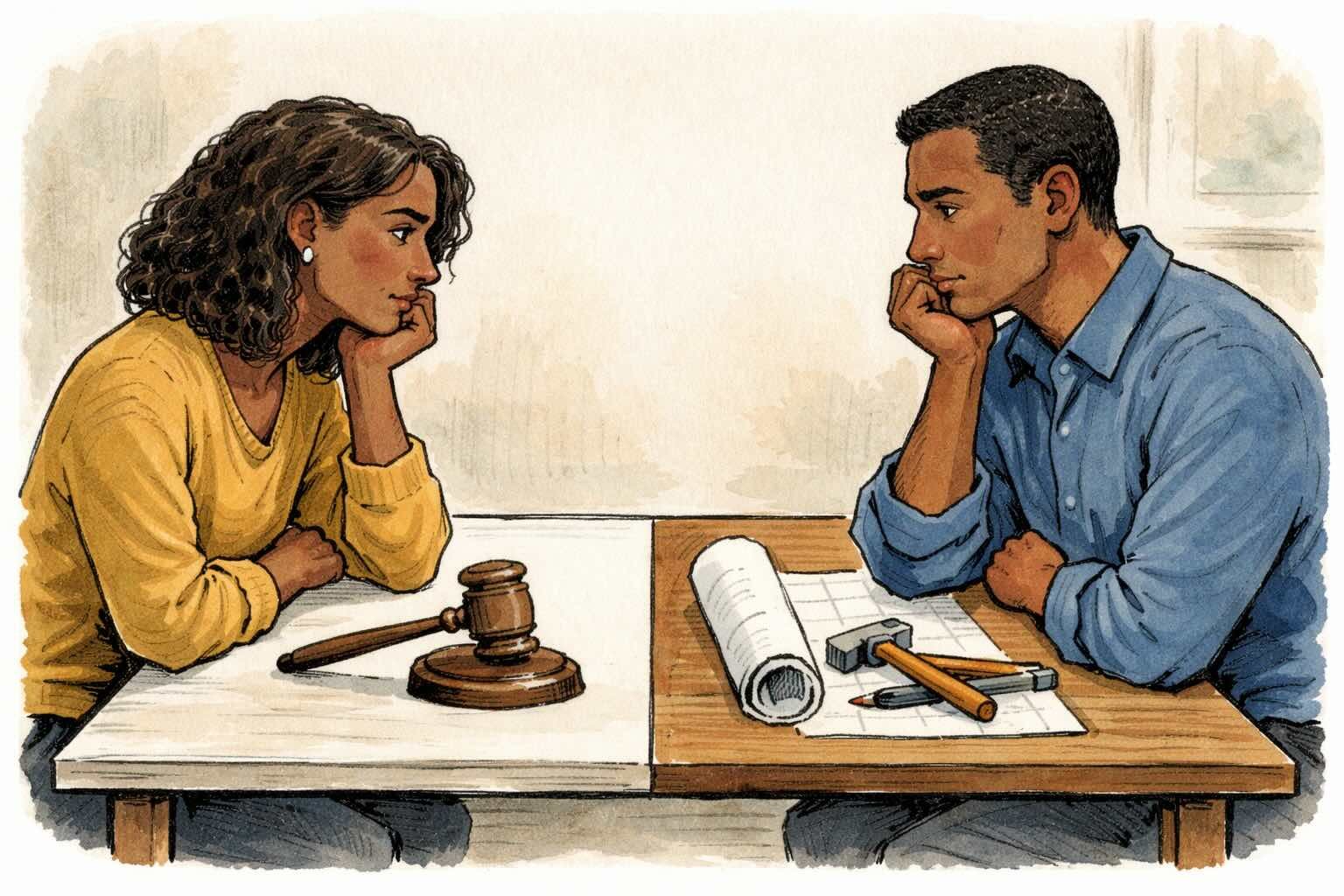
When a relationship is wounded by infidelity, blame feels natural. It looks backward and assigns fault. In many ways, it’s understandable. A promise was broken. Trust was violated. To pretend otherwise would be dishonest. The person who crossed the line must be clearly accountable for that choice. Without that clarity, healing has no firm starting place.
But if a couple decides to stay together, blame alone will not move them forward. It can clarify responsibility, but it cannot rebuild connection. When blame becomes the permanent posture, the relationship slowly turns into a courtroom where one partner prosecutes and the other defends. Every conversation becomes an attempt to win the argument. Every disagreement circles back to the original wound.
Over time, even justified blame can begin to harden into identity: the victim and the offender. That dynamic may feel necessary for a while, but it cannot create intimacy. The focus needs to shift from blame to responsibility. Blame is about what happened. Responsibility is about what happens next.
Responsibility asks a different question: What will I do now? It doesn’t erase accountability for the affair, but it shifts the focus from punishment to participation. And that’s work that both partners need to do.
If you broke trust, responsibility means more than saying, “I’m sorry.” It means asking, What do I need to change so that I become a safe person? It means doing the uncomfortable work of examining the internal fractures that allowed you to justify secrecy in the first place. It means understanding that restoring trust is not something you demand; it is something you earn over time through consistent humility and transparency.
If you were betrayed and choose to stay, responsibility eventually means asking, What kind of partner do I want to be going forward? You don’t need to absorb blame that isn’t yours or excuse what happened. But you do have to decide whether you are willing to engage in the slow work of rebuilding.
This shift doesn’t happen quickly. In early recovery, blame for the infidelity has a rightful place. The injured partner needs clarity and validation. The involved partner needs to sit with the weight of what they’ve done. But eventually, if growth is going to occur, the posture must change.
Blame establishes truth. Responsibility creates movement.
I have seen couples get stuck in cycles of justified anger and defensive regret for years. They weren’t wrong about what happened, but they never moved beyond it. The affair became the defining feature of their marriage instead of the turning point.
If you are walking through this season, ask yourself a quiet question: Am I using blame to clarify truth, or am I using it to avoid the risk of rebuilding? Am I demanding change from my partner while resisting my own growth? Am I waiting for them to fix everything before I engage?
There is no healing without individual accountability, but there is no relationship renewal without joint responsibility. The affair may have defined a chapter in your story. It does not have to define the ending.