They Didn’t Want to “Ride or Die” Anymore
Based on an interview from a relationship series published 2025 in Cosmopolitan magazine.
For years, they loved the phrase: “Ride or die.”
It showed up under anniversary photos and inside birthday cards. It felt strong and loyal, the kind of language that promised endurance no matter what. They liked the intensity of it. It made their relationship feel bold, almost cinematic.
Then the affair happened.
In the months that followed, those words started to feel different. Not wrong, exactly, just too victorious for what they were living through. “Ride or die” sounded heroic, and nothing about their daily work of repair felt heroic. Real life felt awkward and ordinary. It felt like therapy appointments, hard questions, and small attempts at consistency.
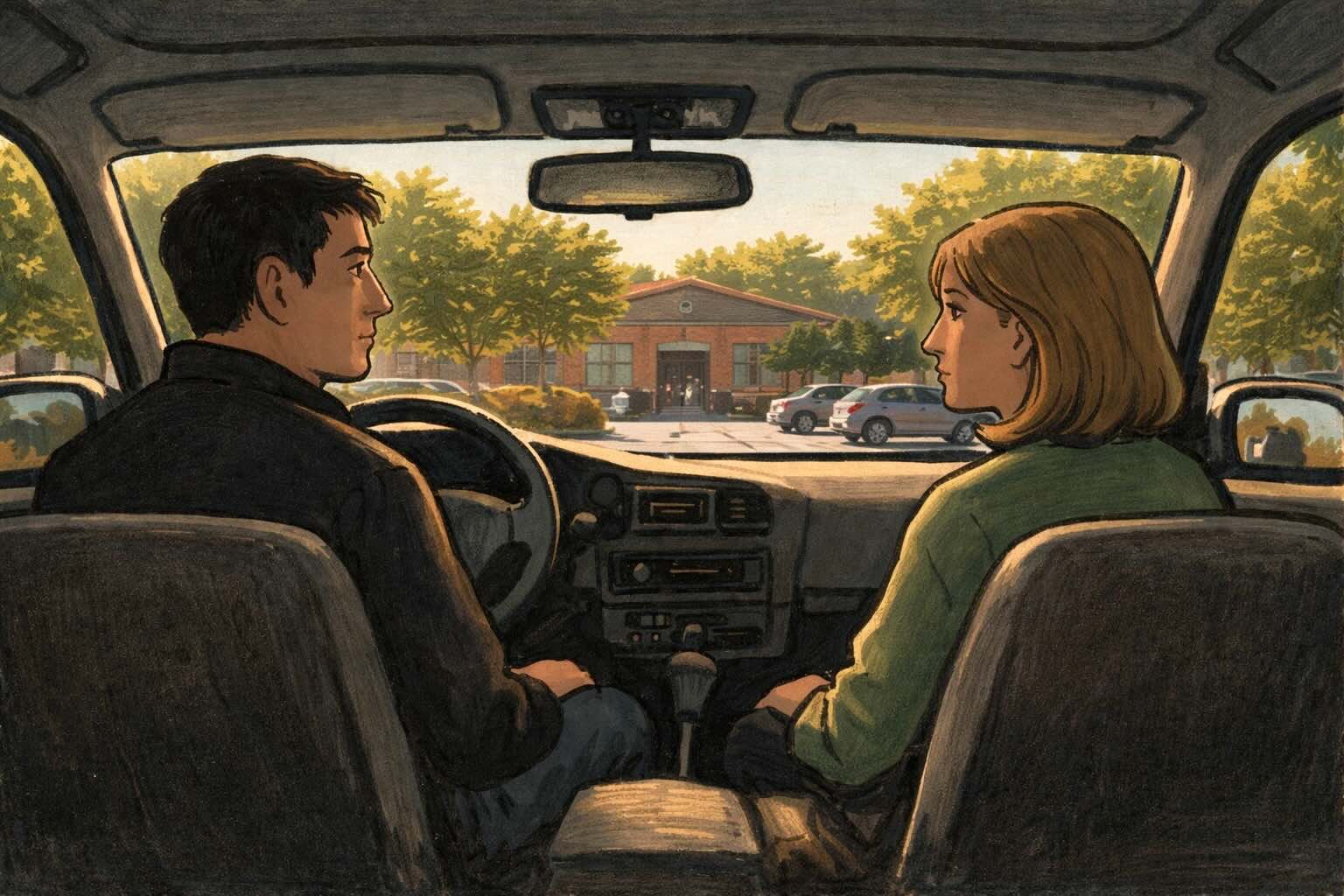
One afternoon, after a long counseling session, they sat in the car without turning on the engine. He had just finished talking about how committed he was, how he would do whatever it took, how he wasn’t going anywhere, how this had made him realize what really mattered.
She listened, then said quietly, “I don’t want a ride-or-die marriage.”
He looked over at her, unsure what she meant.
“I don’t need dramatic loyalty,” she said. “I need you here today… honest and present.”
It wasn’t angry. It wasn’t sarcastic. It was steady. Sitting there, he realized that he had been trying to reassure her with permanence.
He kept reaching for words about forever because they felt strong. But strength wasn’t what she was asking for. She was asking for presence.
Over time, the phrase disappeared from their vocabulary. They didn’t formally retire it; it just stopped fitting. Instead of promising to “ride or die,” he started focusing on smaller, less glamorous things: answering questions directly, following through on what he said he would do, and telling the truth even when it was inconvenient. She stopped asking whether he would always love her and started watching whether he was paying attention now.
The shift was subtle, but it changed something between them. “Ride or die” had implied endurance at any cost. It left little room for frailty or failure. It is assumed that love means clinging to anything, even when something needs to be rebuilt from the ground up.
What they were building now felt quieter, less performative, more deliberate.
Commitment, they discovered, wasn’t about dramatic declarations. It was about steadiness. It was about choosing to show up again and again in ways that mattered.
The affair had stripped away the slogans they once loved. What remained was less romantic, perhaps, but more honest. They didn’t need epic language to describe their relationship anymore. They needed to know that when things were hard, neither of them would retreat into grand promises or old scripts.
They would simply stay. Not because they swore a willingness to die, but because they promised to do the work of living for each other.
Want to share your experiences? Submit it here.