When Narcissism Hides in Plain Sight: A Conversation with Annette Chesney
Podcast Summary
Now and then, I sit down with a guest who manages to take a confusing, foggy topic and shine a clear light straight through it. My conversation with Annette Chesney did exactly that. If you’ve ever wondered how narcissism actually shows up in real-life relationships—not the caricature, but the slow-burn confusion of being charmed, blamed, adored, dismissed, and destabilized all in the same week—the Married to a Narcissist podcast episode is for you.
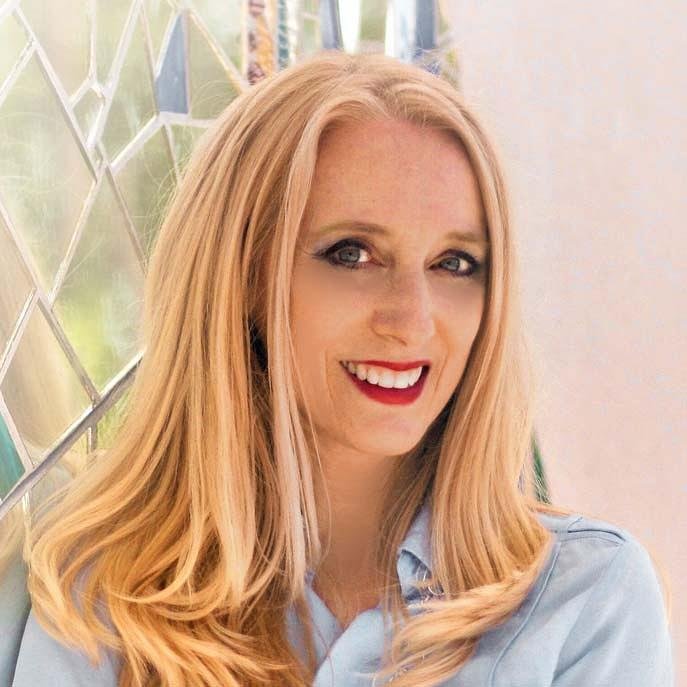
Annette Chesney
Annette’s work centers on helping people, especially women, recognize when they’re caught in a narcissistic dynamic and break free from that quiet control. Some come to her after the relationship is over, dazed and trying to figure out what happened. Others come in with a simple, aching question: Is this narcissism? Or is it just me?
One of the most eye-opening parts of our conversation was Annette’s critique of the official diagnostic criteria. The clinical definitions often miss the nuances—the low-end, subtle forms of narcissism that don’t look dramatic but leave partners exhausted and doubting their sanity. And since true narcissists rarely seek help (after all, they’re not the ones with the problem), waiting for a formal diagnosis can keep people stuck in a loop of confusion.
Annette shared a story from her own marriage counseling experience. She told of a Christian counselor who, at first, bought into her husband’s charm and blamed her for the state of the relationship. But after she spent three exhausting days doing everything she could to “make him happy,” he looked at her and said she was a terrible wife. The therapist turned and asked him, “At what point is it enough for you?” He answered, “Well… it’s never enough.”
That moment cracked something open for her. Eventually, it led to divorce, and to a calling she now carries with conviction and compassion.
We also talked about the way Christian teaching can get twisted in these relationships. Many people from faith backgrounds are conditioned to overfunction: forgive again, be patient again, give more grace, absorb more blame. Annette teaches a workshop session on what she calls “false Christian guilt”—the kind that weaponizes scripture and holds victims hostage to a twisted idea of “Christlikeness.”
To help people sort all this out, Annette created a four-category Narcissistic Relationship Spectrum. It’s simple, practical, and makes clear distinctions that the clinical models don’t always address.
Category 1 includes your everyday human being—capable of being insensitive, yes, but also capable of reflection, remorse, and growth.
Category 2 is where things start to wobble. These individuals avoid responsibility because, deeper down, they feel like scared children. Their reactions are driven by fear and insecurity. They deny, deflect, melt down, blame-shift, and repeat the cycle relentlessly.
Category 3 is calculated. This is the narcissist who studies your vulnerabilities and uses them with strategic precision.
Category 4 is the territory for sociopaths and psychopaths. These folks don’t just manipulate; they destroy.
When you’re dealing with a Category 2 narcissist, Annette says change is possible, but incredibly rare. She calls it a “unicorn” scenario, the sort of thing you shouldn’t bank your life on. Some partners stay because they have children or financial constraints; in those cases, she helps them grieve the marriage they hoped for and build a meaningful life around the limitations.
We also explored how narcissism intersects with infidelity. Narcissists often treat relationships like stage productions, seeking the high of new admiration while keeping partners at a distance to avoid being truly known. And when they’re caught, the rage, humiliation, and blame can escalate into a storm of cruelty.
One of the most healing things Annette offers her clients is simply this: You’re not crazy. You didn’t cause this. And you can’t fix it. Women cry with relief when they begin to understand the patterns. The confusion clears. Their sense of self returns.
Annette’s program has a spiritual foundation, but she welcomes people from all backgrounds. Some jump into her groups; others begin with one-on-one conversations. Her free “Narcissistic Relationship Spectrum Guide” is linked in the episode notes, and she invites anyone who needs clarity to reach out for a complimentary call.
Toward the end of the episode, we turned to the work I’m doing with involved partners—the ones who’ve broken trust. It may sound odd to put these topics side by side, but there’s a shared truth here: real change begins when you stop defending yourself and start looking inward. I told Annette about my own failures decades ago, how my betrayal cost me my marriage and ministry, and how grace met me in the wreckage. It’s the reason I do this work today.
Annette and I both believe growth is possible—deep, meaningful, life-altering growth. Not just surviving a bad chapter but becoming better than you were before. Even grateful, in a strange way, for the wake-up call that pain can be.
And in all of this, whether you’re the betrayed partner, the involved partner, or the confused partner stuck in the middle, the same quiet truth applies: You are not beyond hope, and you are not meant to heal alone.