An Affair Discovered Six Years Later
This post was inspired by a story shared on Reddit, later covered by Newsweek. A man helping his wife search for an old email accidentally discovered messages revealing she had an affair with a coworker six years earlier, a betrayal she had never disclosed. There are legitimate questions to consider when deciding whether to disclose an unknown affair. This story represents an outcome I’ve witnessed many times.
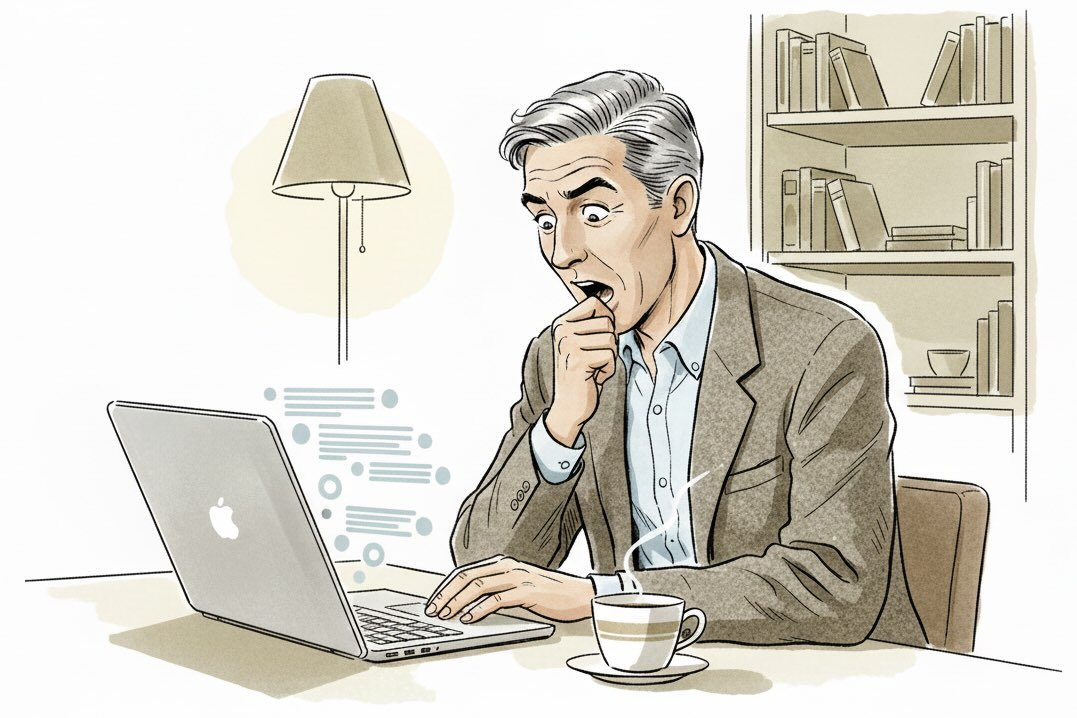
He wasn't expecting it. He was just helping his wife find an old email, the kind of ordinary errand that fills a marriage. But then the messages were there, flirty and unmistakable, and increasingly intimate as they progressed.
The affair had been over for years. She confessed immediately when he confronted her, called it a stupid mistake, said it happened during a rough patch, and said it didn't mean anything. She hadn't told him because she didn't want to cause additional pain. She had kept the secret, she explained, to protect him.
Six years had passed, but to him, it felt like it had happened yesterday.
He went online to post the only question he could organize: Am I overreacting? More than 14,000 people answered. The internet, in one of its rare moments of clarity, told him clearly: No.
She said it was ancient history. He felt like it just happened. Both of those things are true. That's what makes circumstances like this so disorienting.
The affair may have ended six years ago. The pain and grief over it are brand new. He never got to feel it as it happened, never got to decide what he wanted to do with the information, never got to be angry in the moment, never got to choose whether or not to stay. Those choices were made for him, secretly, and then the door was closed and painted over. He walked past it every day without knowing it was there.
This is one of the less-discussed injuries of undisclosed betrayal: it doesn't just wound you, it robs you of your own history. The rocky periods he referenced, the hard seasons they'd worked through together, now look different. He had been navigating in partial darkness, without all the information.
His wife's reasoning, that disclosure would have caused unnecessary pain, is one many wayward partners land on. And it's worth considering seriously, not because it's necessarily right, but because it's often genuine. There is a version of that thinking that is self-protective and convenient. There is also a version that might, in its own way, be a form of love. The question is: Is it the wayward partner's call to make? Is deciding what pain your partner can or cannot handle its own kind of control?
What he grieved wasn’t only the affair. He grieved the years he spent trusting a version of his marriage that was missing a significant piece. He grieved the uninformed decisions he made, the forgiveness he extended during those rough patches, the investment he continued to make, all without knowing what he was actually choosing, actually forgiving, actually building on.
He still loved her. He said so. And that love was real too, another true thing sitting alongside the grief and the anger and the disorientation. They don’t cancel each other out. The whole mess has to be sorted out together.
The past doesn't stay in the past just because we stop talking about it. Sometimes it waits quietly in an old email folder, patient as anything, until someone goes looking for something else entirely.
Want to share your experiences? Submit it here.