People don’t usually start a relationship planning to keep a ledger, but that sometimes changes. It happens when, for one reason or another, we let things get out of balance.
At the start of a relationship, your giving looks like generosity. In your marriage, you say “yes” to the needs around you. You handle those things nobody else wants to handle. You absorb the inconveniences and swallow objections because you don’t want to make any trouble. By outward measures, you are a good partner.
But underneath all that, in a private place, you start keeping count.
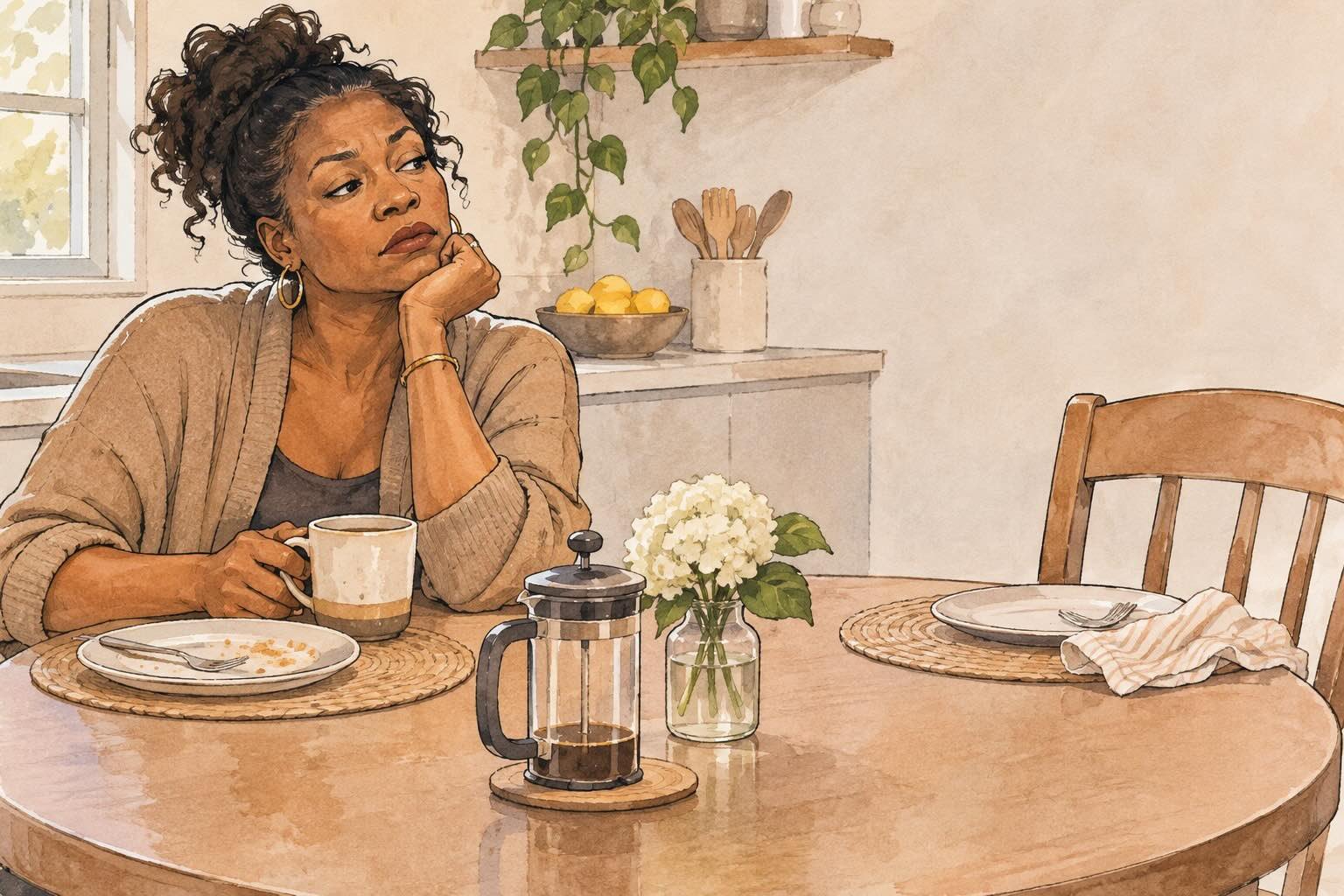
If anyone asked, you’d deny it. But you’ve got a tally running, and as time goes on, you feel like you are owed. You’ve given more than you’ve received. On the surface, you accept this sacrifice as a show of virtue, but you can’t help feeling the growing resentment that stirs underneath.
Then one day, someone seems to notice your value in different ways. They offer a new kind of attention, and although you sense a twinge of danger, another thought covers over it: After everything I’ve done.
When I interviewed Barb Nangle about boundaries, she described herself before recovery as a volunteeraholic. She’d signed on with thirteen different nonprofits and had earned a reputation as a yes woman, because she agreed to do everything. As she tells it, her reason was straightforward: she didn’t want to be a bad person.
What interests me is what she does now. She donates more hours per week than she ever did before. The difference is that she does it strategically rather than at the drop of a hat, by choice rather than obligation, and after filling her own cup first. Her phrase was that “you get to pour from the overflow,” and the only way to have an overflow is to fill the cup first.
Same behavior; entirely different motivation.
The people-pleasing version, she said, is compelled. There’s no plan, just a constant yes, with no consideration of whether you have the energy or the bandwidth, whether it aligns with your values, or whether it leaves you constantly drained and therefore resentful.
Here’s something we tend to get wrong about resentment: we treat it as a reaction to being under-appreciated. Evidence that we gave too much to someone who gave too little.
But Barb’s framing cuts the other direction. She said she came to understand that she was more invested in people thinking she was a good person than she was in being a good person. She realized that if she had really just wanted to be good, she would have stopped saying yes at the point where she became resentful and started complaining about people.
Resentment is not evidence of your generosity. It’s evidence that your generosity was a transaction. A genuine gift doesn’t accrue interest. If your giving has turned into a feeling that a balance is owed, then it was never really a gift. It was an investment; you expected a return, but nobody told the other party about the arrangement.
This dynamic hurts a relationship. Your partner never agreed to the terms. They couldn’t repay a debt they didn’t know existed, in a currency you never named, on a schedule you kept privately. They were failing an expectation they didn’t know existed.
Barb said something about people-pleasing. She called it dishonest: saying yes to things you don’t want to do, acting like things are okay that aren’t, complaining about people behind their backs. And manipulative, because the whole thing is aimed at securing someone’s approval.
Here’s the irony: she didn’t want to be seen as a bad person, and in the service of that desire, she was behaving like one. Lying and manipulating would be near the top of most people’s list of bad qualities. All of it, she said, was completely subconscious.
After an affair, people ask, “Why?” There’s no simple answer to that question, but I often find that the involved partner had spent many years building private resentments against unmet expectations. On the outside, everything seemed fine. They tried to do what was expected while harboring a quiet criticism that created an emotional distance over the years.
That’s the ledger, exactly. The over-giving built the resentment. The resentment built the entitlement. The entitlement built the permission. Every stage of it originated with them, and every stage of it felt like something being done to them.
Barb’s own account of how affairs sometimes start is clear: the cheating person has something going on that isn’t okay with them, and instead of saying directly to their partner that it isn’t working, they go outside the relationship to get what they want.
The need was necessarily illegitimate. Needs usually aren’t. But talking about it would have required the one thing the whole pattern was built to avoid: being seen as difficult. Being seen as someone who asks for things. Being too needy. Being a bad person.
Instead of taking the risk of looking selfish by asking for what they needed, they took it instead, and lost far more than they would have risked by asking.
When do you stop acting good in order to have an honest conversation? At the point where you become resentful. Resentment is the signal that you’ve crossed from giving into collecting, and the moment to say something out loud is right there, before it hardens into a grievance you’ll be carrying for years.
Your partner cannot pay a debt they don’t know about. They were never given the chance to say no to terms they never heard. The best way to guard against this kind of risk in a relationship is to address it when the resentment is small. Invite your partner to join you in making adjustments that will keep your marriage satisfying and secure.