Wired to Wander?
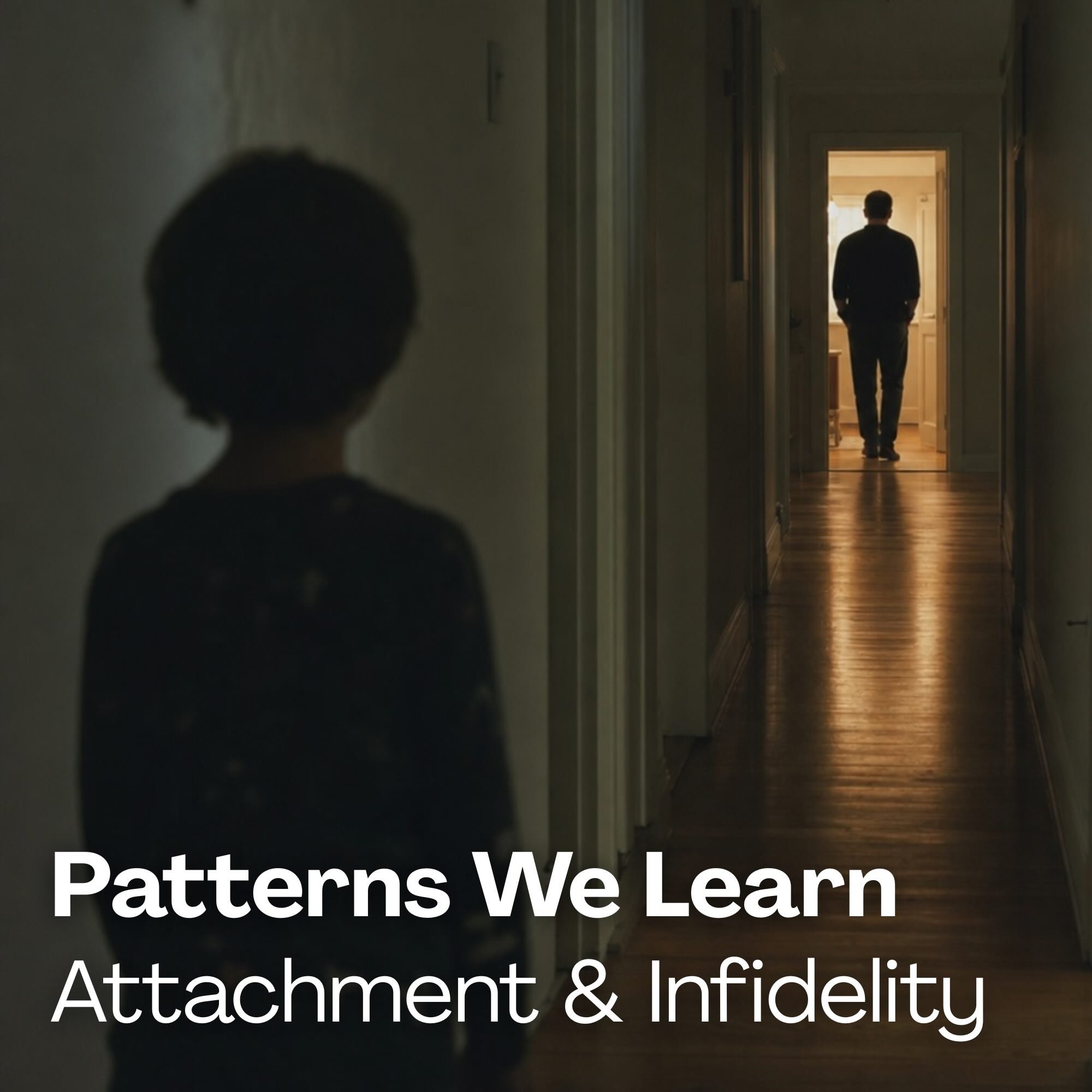
It's a fair question, and the honest answer is more complicated than yes or no. Long before any of us could think about it, we learned how close is safe to get. We learned it from watching who reached for us and who didn't, from whether comfort came reliably or only sometimes, from what happened in the room when someone was upset. Those lessons became instinct.
But understanding the pattern is not the same as being excused by it. I brought my patterns into my first marriage, and they help explain how I ended up where I did. And if these patterns were learned, they can be examined—and changed.
Long before we could think about it, we learned how close was safe to get. Those patterns (researchers call them attachment styles) quietly shape how we handle conflict, disappointment, and closeness for the rest of our lives.
Bev Mitelman, founder of Securely Loved, joins Tim to explain the four attachment styles and how they show up in infidelity: why the dismissive-avoidant pattern carries the highest risk of cheating, why betrayal cuts so deeply for the anxious-preoccupied partner, and why fixing the marriage without examining the pattern rarely holds. Tim shares his own story, and Bev names his pattern before he reveals his quiz results.
Understanding the pattern is not the same as being excused by it, and if these patterns were learned, they can be changed.
LINKS and EXTRAS
Bev Midelman’s Website: https://securelyloved.com
Understanding WHY Course & Coaching
Need personal help? Schedule a Session with one of our coaches.

Bev Mitelman
Bev Mitelman is the founder of Securely Loved, where she helps individuals and couples understand the relationship patterns they absorbed long before they could choose them. Her interest in the work is personal. Bev grew up in a home that was unstable and unpredictable, and she learned early what many people with insecure attachment learn: that closeness is uncertain, and connection isn't safe. She has spent years doing the work of changing that pattern in herself, and now helps others do the same.